
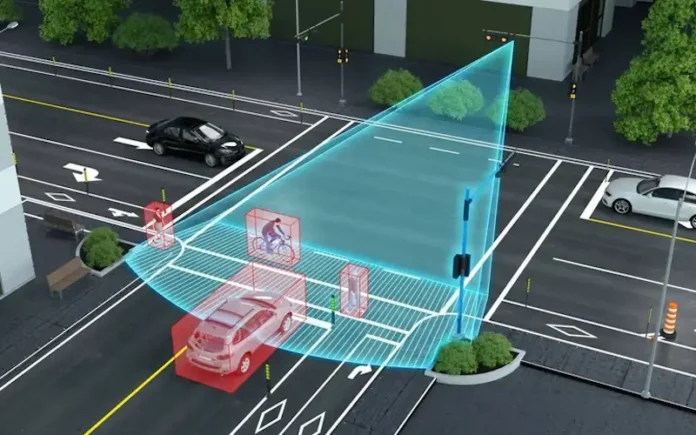

Managing traffic in modern cities is a growing challenge due to rising vehicle density, urban expansion, and the increasing number of road users. Speeding is one of the leading causes of road accidents, resulting in fatalities, injuries, and property damage every year. To combat this issue and ensure safer roads, authorities are increasingly turning to speed violation detection system (SVDS) as a crucial component of smart traffic solutions. These systems help monitor vehicle speeds, enforce traffic rules, and provide real-time data for efficient traffic management.
A speed violation detection system is designed to detect vehicles exceeding designated speed limits, automatically capturing and documenting violations for law enforcement and traffic monitoring. By integrating these systems with modern traffic management technologies, cities can enhance road safety, reduce accidents, and optimize traffic flow, benefiting both commuters and authorities.
What is a Speed Violation Detection System?
A speed violation detection system is an automated technology that measures vehicle speed using radar, laser, or infrared sensors. When a vehicle exceeds the defined speed limit, the system captures an image or video of the vehicle, records relevant details such as license plate number and timestamp, and generates a report for enforcement action.
Modern SVDS solutions often integrate with advanced data analytics, smart traffic lights, and AI-powered traffic monitoring platforms. This integration allows real-time monitoring of road conditions, automatic violation reporting, and better management of high-risk areas prone to speeding and accidents.
Benefits of Speed Violation Detection Systems
Implementing speed violation detection systems in urban and highway traffic networks offers numerous advantages:
1. Enhanced Road Safety
The primary benefit of SVDS is improved road safety. By automatically detecting and penalizing speeding vehicles, these systems discourage reckless driving, reduce collisions, and protect pedestrians and other motorists.
2. Efficient Law Enforcement
Automated speed monitoring reduces the need for manual patrolling and roadside speed checks. Traffic authorities can rely on accurate, real-time data to enforce traffic rules efficiently without human intervention.
3. Accurate Data Collection
SVDS provides valuable traffic data, including vehicle speed patterns, peak traffic hours, and accident-prone zones. This data assists in traffic planning, infrastructure development, and risk assessment for urban authorities.
4. Cost-Effective Traffic Management
Investing in automated speed detection reduces operational costs associated with manual enforcement while increasing the effectiveness of traffic monitoring systems.
5. Legal Compliance and Accountability
Automated detection ensures impartial enforcement, reducing disputes over speeding violations. The recorded evidence can be used for issuing fines or legal proceedings, ensuring accountability among road users.
Improving Traffic Conditions with Speed Violation Detection Systems
Beyond enforcing speed limits, speed violation detection systems play a crucial role in improving traffic conditions. By analyzing speed patterns across highways, intersections, and urban roads, traffic management authorities can identify bottlenecks, optimize signal timings, and implement dynamic lane management strategies.
For example, real-time speed data can be integrated with smart traffic lights to adjust signal cycles, reducing congestion in high-density areas. Additionally, SVDS insights help design safer road layouts, implement variable speed limits, and monitor compliance with traffic regulations. When combined with traffic navigation apps and real-time alerts, these systems guide drivers on optimal routes, reducing delays and minimizing travel times.
Through these measures, cities can not only reduce traffic violations but also improve overall traffic efficiency, decrease fuel consumption, and lower environmental impact by minimizing idling and congestion.
Applications of Speed Violation Detection Systems
Speed violation detection systems are versatile and can be implemented across various traffic management scenarios:
- Highways and Expressways: Monitoring high-speed zones, detecting violations, and issuing automated penalties.
- Urban Roads: Reducing speeding in residential areas, school zones, and accident-prone locations.
- Toll Plazas: Integrating with toll management systems for monitoring vehicle compliance and ensuring safety.
- Traffic Intersections: Coordinating with smart traffic lights to manage vehicle flow and reduce congestion.
- Smart City Initiatives: Contributing to connected urban mobility solutions by integrating with AI analytics and IoT devices.
Deploying SVDS in these areas helps authorities create safer, more organized, and responsive traffic environments.
Key Features to Consider in a Speed Violation Detection System
When selecting a speed violation detection system, certain features ensure maximum efficiency and reliability:
- High Accuracy: Ability to measure vehicle speed accurately, even at high speeds or in dense traffic conditions.
- Automated License Plate Recognition: Integration with ANPR systems for automatic identification of offending vehicles.
- Real-Time Monitoring: Instant alerts and data transmission to traffic control centers.
- Durable and Weather-Resistant Design: Reliable operation under various environmental conditions.
- Integration Capabilities: Compatibility with smart traffic systems, cameras, and data analytics platforms.
- Ease of Installation and Maintenance: User-friendly design and support services for long-term operations.
Choosing the right SVDS ensures consistent enforcement and supports the broader goals of smart traffic management and road safety.
Top Companies Providing Speed Violation Detection Systems
Several leading companies provide state-of-the-art speed violation detection systems for cities, highways, and transportation authorities:
1. Vehant
Vehant is a top provider of automated traffic enforcement solutions, offering advanced SVDS technology for highways, urban roads, and toll plazas. Their systems are known for accuracy, durability, and seamless integration with smart city traffic management platforms.
2. Sensys Gatso
Sensys Gatso delivers innovative speed detection solutions for urban and highway traffic monitoring, combining radar technology with AI analytics for effective law enforcement.
3. Jenoptik Traffic Solutions
Jenoptik offers comprehensive speed violation detection systems, including mobile and fixed solutions, with real-time reporting and integration with traffic management systems.
4. Redflex Traffic Systems
Redflex provides automated enforcement solutions, focusing on highway and city-wide SVDS implementations for enhanced road safety.
5. Siemens Mobility
Siemens Mobility develops advanced speed detection systems as part of its smart traffic solutions, integrating analytics, automated alerts, and adaptive traffic management features.
These companies ensure that road networks benefit from reliable, high-performance speed detection technology, supporting law enforcement and improving traffic safety.
Conclusion
Speed violation detection systems have become critical tools in modern traffic management, enabling authorities to enforce speed limits, reduce accidents, and improve overall road safety. By integrating SVDS with smart traffic solutions, cities can enhance traffic flow, optimize signal timings, and provide real-time insights for traffic planning and enforcement.
Key applications range from highways and urban roads to toll plazas, intersections, and smart city initiatives, making SVDS an indispensable component of intelligent transportation systems. Leading providers such as Vehant, Sensys Gatso, Jenoptik, Redflex, and Siemens Mobility offer robust, accurate, and integrated solutions that support safer and more efficient traffic networks.
By leveraging speed violation detection technology, authorities can ensure safer roads, reduce fatalities, and create smarter, more responsive urban mobility systems that benefit both commuters and city planners alike.