
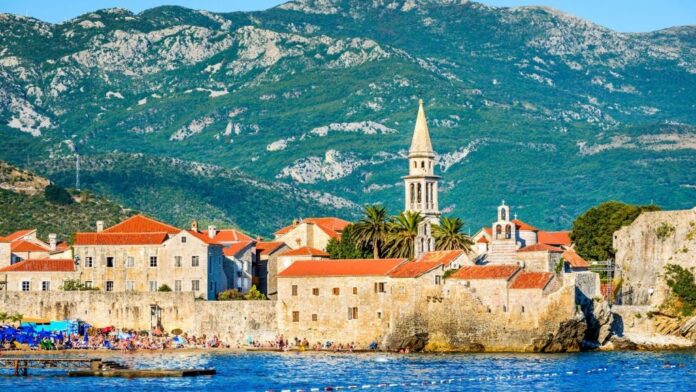

Montenegro, with its breathtaking coastline, majestic mountains, and charming towns, is fast becoming a hotspot for property investors. Whether you are looking for a holiday home, a rental investment, or a permanent residence, understanding the local property market is essential. This guide for buying property in Montenegro will walk you through everything you need to know to make an informed purchase.
Why Invest in Montenegro?
Montenegro’s appeal goes beyond its natural beauty. The country offers a favourable tax system, growing infrastructure, and a welcoming environment for foreign investors. Its small size makes navigating the property market relatively straightforward, yet the potential returns are substantial. For international buyers, Montenegro provides a unique blend of lifestyle, security, and investment opportunity.
Can Foreigners Buy Property in Montenegro?
Yes, foreigners are allowed to buy property in Montenegro, enjoying similar rights to locals. There are no significant residency restrictions, and you can purchase most residential and commercial properties. Agricultural land is usually excluded unless purchased through a local company.
Foreign buyers must acquire a Tax Identification Number (TIN), which is essential for registering property, paying taxes, and opening a local bank account. Montenegro also levies a 3% property transfer tax and an annual property tax ranging from 0.25% to 1%, depending on the property’s location and value.
Steps to Buying Property in Montenegro
Purchasing property in Montenegro is manageable with the right guidance. Here’s a step-by-step breakdown:
1. Define Your Property Type
Decide whether you want a flat, apartment, villa, or house. Consider your investment goals—holiday rental income, permanent residence, or resale value. Land purchases require setting up a local company.
2. Find a Trusted Real Estate Agent
A local agent provides crucial insights into the market, ensures access to exclusive listings, and guides you through legal and procedural requirements.
3. Conduct Legal Due Diligence
Hire a lawyer to prepare a due diligence report. This ensures the property has no legal issues or liabilities before committing to a purchase.
4. Sign the Preliminary Contract
Once satisfied, you sign a preliminary contract before a notary. This outlines the price, payment terms, and other key details.
5. Pay the Deposit
A deposit of 10–30% secures the property. It’s a sign of commitment and removes the property from the market.
6. Sign the Final Contract
The final contract formalises the transaction, including all previously agreed-upon terms. After signing, the purchase price and applicable taxes are paid.
7. Transfer Ownership
After payment, the property is officially transferred to your name, and you become a proud property owner in Montenegro.
Financing Your Property
Foreign buyers can also buy property through a mortgage. Banks typically offer loans ranging from €200,000 to €400,000 over 20–25 years, with interest rates around 5%. Acquiring a TIN and opening a local bank account simplifies this process, but it is also possible without an account, although slower.
Popular Locations for Property Investment
Montenegro offers several attractive locations for property buyers:
Tivat
Home to Porto Montenegro, Tivat is a hub for luxury living and yachting. Modern apartments and waterfront villas dominate the market.
Budva
Known for its vibrant nightlife and stunning beaches, Budva attracts tourists and investors alike. Expect premium prices in central areas, but the rental potential is high.
Kotor
A UNESCO World Heritage site, Kotor’s medieval architecture and picturesque bay make it a unique location for boutique properties and heritage apartments.
Herceg Novi
Close to both the coast and mountains, Herceg Novi is ideal for those seeking a quieter lifestyle while staying connected to major towns.
Bar and Ulcinj
These southern towns offer more affordable property options, with beautiful beaches and growing tourism infrastructure.
Legal Considerations
Montenegro’s property laws are straightforward but require attention:
- Always engage a notary and lawyer to verify property titles.
- Ensure the property is free from debts and encumbrances.
- Understand local taxes, including the 3% transfer tax and annual property tax.
- If purchasing land, check restrictions on foreign ownership.
Benefits of Owning Property in Montenegro
Owning property in Montenegro comes with several perks:
- EU Prospects: Montenegro is a candidate for EU membership, potentially enhancing property value over time.
- Tourism Appeal: High rental demand in coastal towns ensures a good income for investors.
- Lifestyle and Leisure: Access to beaches, mountains, and cultural attractions make Montenegro ideal for holidays or permanent residence.
- Investment Security: Clear property rights and a supportive legal system protect foreign buyers.
Common Mistakes to Avoid
Even with a relatively straightforward process, mistakes can happen:
- Skipping due diligence
- Not budgeting for taxes and fees
- Ignoring local market trends
- Overlooking legal restrictions on land purchases
Following expert advice and this guide for buying property in Montenegro helps you avoid pitfalls and make a smooth investment.
Conclusion
Buying property in Montenegro offers an excellent combination of lifestyle, investment, and long-term value. From the bustling streets of Budva to the luxury of Porto Montenegro, there’s a property for every taste and budget. With careful planning, legal guidance, and market research, you can enjoy the benefits of owning a piece of this stunning European gem.
Whether you are a first-time buyer or an experienced investor, this guide for buying property in Montenegro provides the essential steps and insights to make your purchase stress-free and rewarding. Montenegro awaits—with its coastline, culture, and investment opportunities, it’s a destination worth considering for your next property venture.