
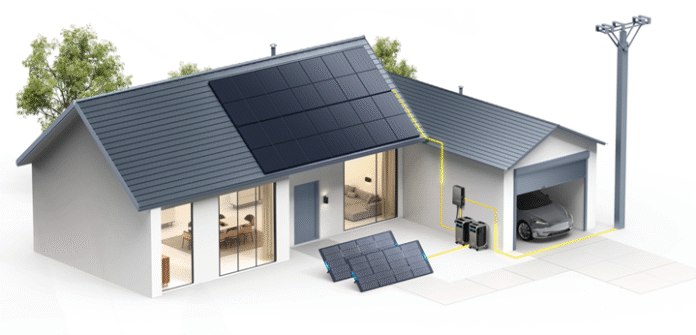

Reliable power is essential when dealing with unexpected outages. The generator for house designed for whole-home backup power offer peace of mind and a seamless transition during power disruptions. This comprehensive guide will aid you by highlighting crucial factors to consider when choosing a backup generator. By examining power outputs, fuel types, and noise levels, homeowners can make informed decisions. Additionally, we’ll compare top-rated models like the Anker SOLIX Smart Generator 5500, ensuring you pick a solution that meets your specific needs. Whether you’re facing frequent blackouts or preparing for rare emergency situations, understanding the features of these generators will ensure your home remains a haven of comfort during any power loss.
Factors to Consider When Choosing a Whole-Home Backup Generator
Power Output and Capacity
When choosing a whole-home backup generator, power output and capacity are fundamental considerations. Assess your home’s energy requirements by adding up the wattage of essential appliances and systems you wish to keep running during outages. Generators are rated by their starting and running wattage. The starting wattage is the additional power needed to start appliances with motors, while the running wattage is the power required to keep them running. For example, a generator with 5,500VA starting power is suitable for homes needing to start multiple high-demand devices simultaneously. Generally, for an average household, a generator with an AC rated power of 3,600W can efficiently cover basic needs. However, if your requirements are more extensive, consider a model with a higher capacity. Properly sizing your generator ensures optimal performance and prevents potential damage to both the generator and your appliances.
Fuel Type and Efficiency
The type of fuel a generator uses significantly affects its efficiency and cost-effectiveness. Common fuel options include gasoline, propane (LPG), and natural gas (NG). Each has unique advantages—gasoline is widely available and perfect for short-term use, while propane and natural gas are cleaner and can be more economical for long periods. For instance, dual-fuel models like the Anker SOLIX Smart Generator 5500, which accommodates gasoline, LPG, and NG, provide flexibility, allowing you to choose based on availability and price. Additionally, assess the generator’s fuel efficiency by checking how long it can operate on a full tank; a more efficient machine runs longer with less fuel, reducing operational costs. Consider your location’s climate and fuel availability while prioritizing options that offer high efficiency without compromising performance.
Noise Levels and Running Modes
Noise level is an often-overlooked aspect, yet crucial for home comfort and neighborhood harmony. Most backup generators emit noise during operation, but recent advances have led to quieter models. Evaluate the generator’s decibel rating, especially in eco-mode, as this will likely be the most frequent operational mode. For instance, an intelligent inverter generator like the Anker SOLIX Smart Generator 5500 operates at 69dB in eco mode, which is comparable to normal conversation levels. Additionally, check if the generator offers multiple running modes—Turbo, Eco, and Quiet—allowing you to adapt noise and fuel consumption to your needs. Opting for a generator with a lower noise level ensures minimal disruption, providing a balance between performance and peace of mind during power outages.
Top Whole-Home Backup Generators
Anker SOLIX Smart Generator 5500
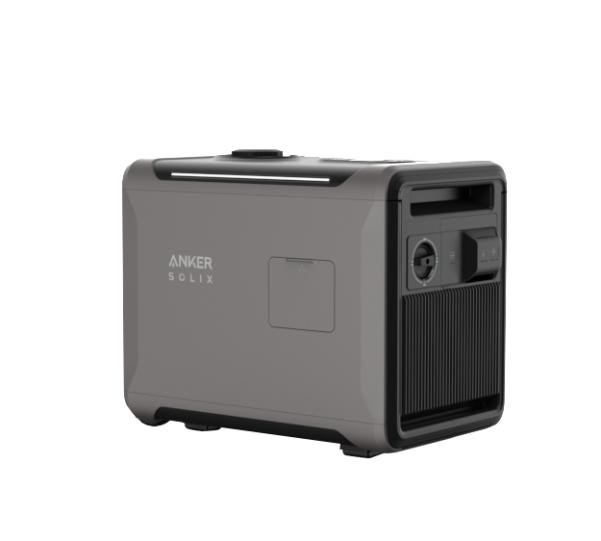
The Anker SOLIX Smart Generator 5500 stands out with its remarkable versatility and efficiency. This inverter generator seamlessly uses multiple fuel types: gasoline, propane, and natural gas, making it an excellent choice for varied needs and availability. It offers a robust starting power of 5,500VA and delivers up to 4,500W DC rated power for gas and LPG, and 4,000W for NG, catering to significant power demands. Its AC rated power across all fuel types is 3,600W at 120V, 60Hz, suitable for most household applications. Users benefit from multiple start methods, including an electric button and Bluetooth/Wi-Fi app, ensuring convenience and ease of use. The Anker SOLIX boasts variable engine speed, promoting fuel efficiency without sacrificing power output. Equipped with durable materials, it promises longevity, and its smart app connectivity enhances user experience by offering remote control and monitoring capabilities, ensuring your home remains powered without hassle.
Features and Specifications
Equipped with a 224cc, 4-stroke engine, the Anker SOLIX Smart Generator 5500 is designed for durability and reliability. Its metal gasoline tank holds up to 2.64 gallons providing extended operation between refuels. The generator supports a range of running modes—Turbo, Eco, and Quiet—optimizing fuel efficiency based on power needs. At 69dB in eco-mode, it operates quietly, promoting comfort during use. Its smart features include LED status indicators and a TFT-LCD screen displaying critical information such as remaining fuel percentage, output voltage types, and running mode. For user convenience, the generator incorporates multiple starting options, including remote control via a smart app, offering unmatched ease of use. The package includes necessary accessories like a DC charging cable, propane tank hose, and natural gas adapter. Moreover, it aligns with strict safety standards, featuring CO alarms and certifications from prominent safety authorities ensuring reliable and safe operation within a home environment.
How to Maintain Your Backup Generator
Regular maintenance is key to the longevity and performance of your backup generator. Begin by inspecting and changing the engine oil every 50-60 hours of use, using the recommended 10W-40 type to ensure smooth operation under various conditions. Check and clean the air filter regularly to prevent debris from affecting engine performance. Additionally, inspect the spark plugs for wear and replace them as necessary. Maintaining fuel cleanliness is crucial; deplete the fuel tank if the generator won’t be used for extended periods. Test the generator monthly, allowing it to run for approximately 30 minutes to ensure all components remain lubricated and operational. Keep the exhaust areas unobstructed and ensure the generator remains in a dry, covered environment to prevent moisture-related issues. By following these simple maintenance steps, your backup generator will provide reliable and efficient service during every power interruption.
Conclusion
Selecting the right whole-home backup generator is essential for ensuring comfort and safety during power outages. By understanding the critical factors such as power output, fuel efficiency, and noise levels, homeowners can make informed decisions. The Anker SOLIX Smart Generator 5500, with its versatile fuel options and smart technology, represents a top choice for many households. Proper maintenance further extends the life and reliability of your investment, guaranteeing readiness for any emergency. Ultimately, the peace of mind that comes from knowing your home will remain powered, underlines the importance of choosing a high-quality