
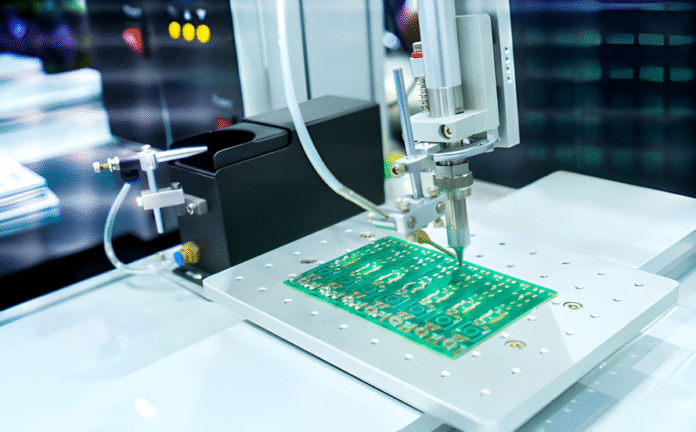

A metal core PCB is a specialized printed circuit board designed to efficiently dissipate heat generated by high-power electronic components. Unlike traditional FR4 PCBs that use fiberglass substrates, metal core PCBs incorporate a metal base layer—most commonly aluminum, but sometimes copper or stainless steel—to improve thermal conductivity and mechanical stability.
As electronic devices become smaller and more powerful, heat management has emerged as a critical design challenge. Metal core PCB technology addresses this issue by providing a direct thermal path from heat-generating components to the metal base, ensuring reliable operation and extended product lifespan.
Structure of a Metal Core PCB
A typical metal core PCB consists of three primary layers. The top layer is the copper circuit layer, where components are mounted and electrical connections are formed. Beneath this lies a dielectric insulation layer that electrically isolates the circuit while allowing efficient heat transfer. The bottom layer is the metal core, which acts as a heat sink and provides mechanical strength.
The performance of a metal core PCB depends heavily on the quality of the dielectric layer. Advanced dielectric materials are used to balance electrical insulation with high thermal conductivity, enabling safe and efficient heat dissipation.
Why Metal Core PCBs Are Essential for Thermal Management
Heat is one of the leading causes of electronic component failure. Metal core PCBs are specifically engineered to manage heat more effectively than standard PCBs by transferring thermal energy away from sensitive components.
By reducing operating temperatures, metal core PCBs help prevent thermal stress, improve reliability, and extend the lifespan of electronic devices. In many applications, they eliminate the need for additional heat sinks or cooling systems, allowing for more compact and efficient product designs.
Advantages of Metal Core PCB Technology
One of the primary advantages of metal core PCBs is superior thermal performance. The metal base provides excellent heat dissipation, making these boards ideal for high-power applications.
Metal core PCBs also offer enhanced mechanical strength and durability. The rigid metal substrate reduces the risk of warping and cracking, especially in environments with vibration or temperature fluctuations. Additionally, they provide good electrical insulation, consistent performance, and support for surface mount technology.
Although metal core PCBs may have a higher initial cost compared to FR4 boards, their long-term reliability and performance benefits often result in lower overall system costs.
Common Applications of Metal Core PCBs
Metal core PCBs are widely used in LED lighting systems, where efficient heat dissipation is critical for maintaining brightness and color consistency. High-power LEDs generate significant heat, and metal core PCBs help prevent premature failure.
In the automotive industry, metal core PCBs are used in headlights, power control units, and motor drivers due to their ability to withstand high temperatures and harsh conditions. Industrial power supplies, motor controllers, and renewable energy systems also rely on metal core PCBs for reliable thermal management.
Consumer electronics such as audio amplifiers and power adapters benefit from the compact design and improved heat dissipation offered by metal core PCB technology.
Metal Core PCB vs FR4 PCB
The key difference between metal core PCBs and standard FR4 PCBs lies in thermal performance. FR4 boards rely on copper traces and airflow for heat dissipation, which is often insufficient for high-power designs.
Metal core PCBs provide a direct thermal path to the metal substrate, significantly improving heat transfer. While FR4 PCBs remain suitable for low-power applications, metal core PCBs are the preferred choice for designs where heat management and reliability are critical.
Designers must weigh cost, performance, and application requirements when choosing between these two PCB types.
Design Considerations for Metal Core PCBs
Designing a metal core PCB requires careful consideration of thermal paths, dielectric thickness, and component placement. Heat-generating components should be positioned to maximize thermal transfer to the metal base.
Trace design, copper thickness, and surface finish selection also play important roles in performance and manufacturability. Designers must ensure compatibility with assembly processes such as reflow soldering while maintaining thermal efficiency.
Working closely with a knowledgeable manufacturer during the design phase helps optimize performance and avoid costly revisions.
Manufacturing Process of Metal Core PCBs
The manufacturing process of metal core PCBs involves specialized steps to handle metal substrates. It begins with material preparation, followed by lamination of the copper layer and dielectric onto the metal base.
Precision drilling, circuit patterning, etching, and surface finishing are performed using advanced equipment to maintain tight tolerances. Quality control measures such as thermal testing, electrical testing, and visual inspection ensure that each metal core PCB meets required performance standards.
Due to the complexity of the process, experience and technical expertise are essential for consistent results.
How to Choose the Right Metal Core PCB Manufacturer
Selecting the right metal core PCB manufacturer is critical to the success of your project. A reliable manufacturer should have proven experience in metal substrate PCB fabrication and access to high-quality materials.
Look for manufacturers that offer design support, advanced quality control processes, and compliance with international standards. A capable manufacturer can also help optimize your design for cost efficiency and thermal performance.
Partnering with an experienced metal core PCB manufacturer ensures smooth production, consistent quality, and reliable long-term performance.
Final Thoughts
Metal core PCBs have become an essential solution for modern electronics that require efficient thermal management, durability, and compact design. Their ability to dissipate heat effectively makes them ideal for high-power and high-reliability applications across multiple industries.
If you are developing a product that demands superior thermal performance, working with a trusted metal core pcb manufacturer is key. The right manufacturing partner will help bring your design to life with high-quality, production-ready metal core PCBs that meet today’s demanding electronic standards.