
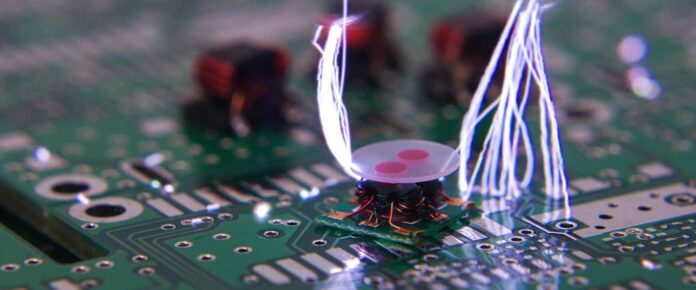

Printed circuit boards (PCBs) are the backbone of modern electronics, connecting components and enabling devices to function efficiently. For high-voltage applications, proper PCB design is critical to ensure safety, reliability, and long-term performance. High voltage PCBs are commonly used in industries like telecommunications, robotics, medical devices, and industrial automation, where precision and durability are essential.
Creating a high-quality PCB requires technical expertise, advanced design tools, and rigorous testing standards. Manufacturers specializing in high voltage PCB design provide the knowledge and capabilities to produce boards that meet strict voltage, thermal, and mechanical requirements. For businesses seeking reliable solutions, a professional provider with experience in rigid, flexible, and high-frequency PCB technologies ensures optimal results. Learn more about their services here: High voltage PCB design.
Why High Voltage PCB Design is Important
High voltage PCBs are more challenging to design than standard boards due to increased electrical stress, insulation requirements, and potential safety hazards. Proper design ensures:
Insufficient spacing or poor insulation can cause arcing or short circuits, damaging components and creating hazards.
High-frequency and high-voltage circuits require careful layout planning to avoid interference and maintain reliable operation.
High voltage applications generate heat that must be dissipated efficiently to prevent component failure.
PCB materials and layer construction must withstand voltage stress, vibration, and mechanical strain over time.
Working with an experienced manufacturer guarantees that every high voltage PCB is engineered to meet these critical requirements.
Advanced PCB Solutions: Rigid-Flex and High-Frequency Boards
Modern electronics demand advanced PCB solutions to meet complex technical needs. Two popular types include:
1. Rigid-Flex PCBs
2. High-Frequency PCBs
Manufacturers offering these solutions integrate automated production, advanced materials, and precise assembly techniques to ensure consistent quality.
PCB Assembly and Electronic Components
PCB fabrication is only part of the process. Proper assembly ensures that components are correctly placed, soldered, and tested. High-voltage applications require:
Automated assembly lines improve efficiency and accuracy, especially for complex multi-layer boards used in telecommunications, robotics, and industrial equipment.
Applications in Telecommunications and Robotics
High voltage and high-frequency PCBs are critical in sectors where precision and performance are paramount:
Each application demands careful design, material selection, and quality assurance to maintain safety, performance, and longevity.
Design Considerations for High Voltage PCBs
Successful high voltage PCB design requires attention to:
Proper adherence to these design principles is critical for boards used in mission-critical systems.
Benefits of Working with Experienced PCB Manufacturers
Manufacturers with technical expertise and industry experience provide multiple advantages:
Selecting a manufacturer with decades of experience ensures that every high voltage PCB meets rigorous industry requirements.
Tips for Choosing a High Voltage PCB Provider
When selecting a manufacturer for your next project, consider:
A trusted provider ensures that your boards are reliable, safe, and optimized for performance. Explore solutions from expert manufacturers here: High voltage PCB design
Conclusion
High voltage PCB design is a critical element in modern electronics, enabling safe, reliable, and high-performance devices. From telecommunications to robotics, well-designed PCBs ensure operational efficiency, reduce failure risks, and improve overall product quality.
Advanced solutions such as rigid-flex and high-frequency PCBs, combined with precise assembly and high-quality components, provide the technical foundation for innovative products. Partnering with an experienced manufacturer ensures adherence to industry standards, consistency in production, and successful implementation of complex designs.
For professional high-voltage PCB solutions, explore expert services here: High voltage PCB design