

Table of Contents
- Pool Maintenance Basics: The Building Blocks of Longevity
- Common Pool Equipment Issues and Their Causes
- Step-By-Step Maintenance Checklist
- Signs It’s Time to Replace Pool Parts
- The Benefits of Consistent Upkeep for Pool Equipment
- The Role of Water Balance in Equipment Longevity
- Cost vs. Benefit: Why Routine Maintenance Matters
- Finding Trusted Resources for Reliable Pool Care
Pool Maintenance Basics: The Building Blocks of Longevity
A sparkling backyard pool isn’t just a luxury—it’s a rewarding investment in wellness, recreation, and family fun. Consistent, thoughtful maintenance is essential to protect your water quality and expensive pool equipment. Routinely checking your pool’s equipment can extend its operational life, prevent costly repairs, and ensure the entire oasis remains safe and inviting. One of the best ways to support your maintenance routine is by selecting the right pool water treatment products for your system. These products are crucial in keeping filters, pumps, and plumbing free from buildup and functioning at their best.
The Centers for Disease Control and Prevention (CDC) underscores that healthy swimming environments arise from proactive care.
Common Pool Equipment Issues and Their Causes
Even with diligent upkeep, pool equipment can develop issues that shorten its lifespan or disrupt pool enjoyment. Commonly, pumps can overheat or start leaking due to insufficient lubrication or clogged intakes. Filters may accumulate organic debris, limiting their ability to keep water clean and clear, while pool liners can show early wear from chemical imbalance, UV exposure, or improper installation. Other common issues include calcium scaling, stuck or worn o-rings, trapped air in plumbing lines, and slow-developing leaks. Catching these problems early through regular visual and auditory checks can save you from expensive equipment replacements.
Step-By-Step Maintenance Checklist
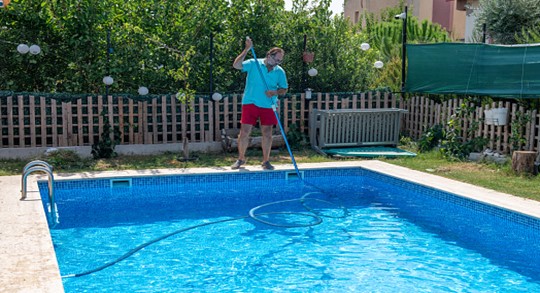
Staying organized with a regular pool maintenance checklist maximizes equipment life and pool safety. Here’s an easy-to-follow schedule that covers the essentials:
- Skim leaves and floating debris from the pool surface daily to protect pumps and filters.
- Test your pool chemistry (pH, chlorine, alkalinity) at least twice weekly and adjust as needed.
- Clean and inspect skimmer and pump baskets weekly to prevent blockages.
- Backwash the pool filter based on manufacturer recommendations to keep it running efficiently.
- Check all equipment monthly for visible leaks, unusual sounds, or excessive vibration.
- Brush pool walls and vacuum the floor weekly to stave off algae growth and prevent surface staining.
- Schedule professional inspections of your pool’s mechanical systems at least once per season to detect emerging issues.
Signs It’s Time to Replace Pool Parts
Pool equipment, unfortunately, doesn’t last forever. Certain signs signal it may be time to replace parts rather than continue repairs. Listen for unusual pump noises, grinding sounds, or excessive vibrations, which could point to failing bearings or impeller issues. Look for rust, corrosion, or visible cracks in metal or plastic parts. Persistent water cloudiness or difficulty maintaining chemical balance can indicate that your filter media is exhausted or plumbing lines are compromised. When these warning signs appear, quick action helps prevent complete system failures and can significantly reduce future repair costs.
The Benefits of Consistent Upkeep for Pool Equipment
Over time, a disciplined cleaning routine, balancing, and inspecting yield substantial benefits. Studies highlighted by Swimming World Magazine reveal that well-cared-for equipment outlasts neglected systems by up to three times. Consistent maintenance also translates to clearer water, safer swimming, and more efficient equipment operation saving energy and money over the long run.
The Role of Water Balance in Equipment Longevity
Proper water chemistry is often overlooked but vital for extending pool equipment life. Unbalanced water can cause corrosion on metal components, scaling or mineral buildup inside pipes and heaters, and rapid deterioration of rubber seals and o-rings. Keeping pH, alkalinity, and sanitizer levels within the appropriate range prevents premature wear and protects both your investment and your swimming environment.
Cost vs. Benefit: Why Routine Maintenance Matters
Although pool maintenance involves ongoing investment in treatment products and occasional professional inspections, the cost is relatively small compared to the potential expense of repairing or replacing pumps, heaters, or other major components. Regular upkeep prevents contamination, stops minor issues from escalating, and promotes peak efficiency leading to lower utility bills and maximized equipment lifespan. Over several swim seasons, these savings can more than offset the time and resources spent on a solid maintenance routine.
Finding Trusted Resources for Reliable Pool Care
Reliable information makes pool ownership easier, especially with abundant online guides and community forums. Trust only established authorities for advice, such as the CDC or respected industry publications. Consult experienced pool care professionals or reputable suppliers for troubleshooting and routine upkeep when needed. For a comprehensive selection of pool care essentials and replacement parts, consider reviewing the latest pool water treatment products from trusted vendors.