

Key Takeaways:
Understanding Biophilic Design
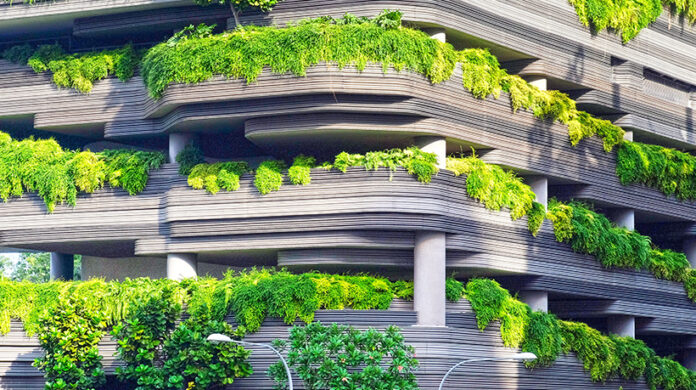
Biophilic design represents an architectural philosophy that intentionally connects people with the natural environment within the spaces they inhabit. By purposefully incorporating elements such as natural lighting, fresh air, greenery, and authentic materials, biophilic design goes far beyond mere aesthetics it fosters well-being, productivity, and happiness for everyone who uses these modern spaces. This holistic approach to design recognizes humanity’s inherent need for nature and responds to the challenges of urban living by bridging the gap between the built and natural worlds.
As research continues to underscore the powerful effects of nature on mental, emotional, and physical health, environments shaped by biophilic principles are proving valuable across all building types from homes and offices to schools and healthcare facilities. Recognizable attributes of biophilic spaces include expansive windows for ample sunlight, living green walls that purify air, and the tactile presence of materials like wood and stone to ground occupants in their senses.
Few firms showcase the transformative potential of these design principles as successfully as Arch 11. Based in Boulder and Denver, Colorado, Arch11 has established itself as a thoughtful leader in biophilic architecture and interior design. Their work is renowned for uniting innovative modern design with deep sensitivity to craft, context, and environmental impact. As architects with a robust portfolio spanning residential, commercial, and public spaces, Arch11 continues to influence urban and rural environments alike throughout Colorado and the greater Rocky Mountain West, making its expertise widely sought after by clients pursuing meaningful connections between people and place.
The essence of biophilic design isn’t just about adding plants or sunlight it’s about weaving a narrative that brings people closer to nature through considered details and sustainable choices. This method is progressively setting a new standard for how architectural excellence and environmental stewardship can coexist in today’s fast-changing world.
The Benefits of Integrating Nature into Architecture
Arch11: A Leader in Biophilic Design
Leading by example, Arch11’s commitment to biophilic design is exemplified in its award-winning portfolio. Their projects highlight how architecture can work in harmony with the environment rather than against it. For instance, the North Carolina Residence melds modern, minimalist cabins with the forested slopes of the Blue Ridge Mountains, framing sweeping views and letting daylight flood each space. Through careful material selection and site-sensitive solutions, Arch11 projects achieve visual continuity between the indoors and surrounding natural landscape a signature hallmark of intentional biophilic design.
Signature Projects and Methodologies
Arch11’s approach is evident in their mixed-use developments, too. Their Boulder office building designs utilize skylights and operable windows to maximize daylight penetration, enhance ventilation, and foster healthy environments for both work and leisure. Such projects are informed by the studio’s broader sustainability ethos, which includes adhering to the rigorous AIA 2030 Commitment and prioritizing high-performance construction standards such as LEED, Passive House, and Net-Zero principles.
These methods ensure that each project delivers architectural integrity and measurable benefits to occupants’ well-being and the environment. This blend of social responsibility and design excellence cements Arch11’s reputation as a vanguard in biophilic and sustainable architecture.
Implementing Biophilic Design in Everyday Spaces
Bringing the restorative benefits of nature into daily routines doesn’t require grand gestures or large budgets. Individuals can make simple yet impactful changes: placing houseplants on desks and window sills, opening curtains to invite in morning light, selecting quality natural materials for floors and furniture, and creating water features that soothe the senses. Even images of nature placed around homes and offices can have a significant positive effect.
For larger transformations, consultative services from expert firms can result in more effective planning and execution.
Challenges and Considerations
The Future of Biophilic Design
As demand for health-conscious, sustainable design rises, the future will likely see biophilic principles defined by technology integration and greater accessibility. Smart building systems are emerging to track air quality, automate irrigation for green roofs, and optimize daylight all of which reinforce biophilic outcomes in dense urban environments. There is also a growing movement to make public and shared spaces greener, encouraging community interaction and connection with the outdoors.
With mental health and sustainability becoming urgent priorities, architects and developers are increasingly looking to biophilic design as a blueprint for long-term value. Inspirations can be drawn from exemplary work and insights shared by sources such as ArchDaily, which explore global trends and emerging innovations shaping biophilic spaces. Continual professional education and client advocacy are pushing biophilic outcomes from niche luxury to mainstream expectation.
Conclusion
Biophilic design paves the way toward inhabitable spaces that truly nurture, heal, and inspire. By welcoming nature into everyday structures through sunlight, vegetation, and sustainable practices both individuals and organizations elevate their environments, fostering wellness, connection, and genuine delight in daily living.
Visionary firms set the benchmark, demonstrating how thoughtful, environmentally responsible architecture can be seamlessly woven into modern life. Their expanding influence from Colorado to the national stage serves as a model for others invested in a greener, healthier architectural future.
For more on biophilic design and its growing impact, explore updates from Fast Company or connect directly with expert designers to begin your own transformation.