
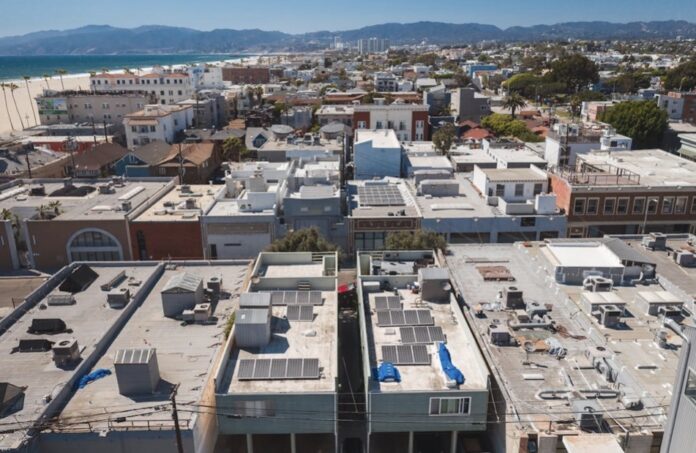

A commercial roof represents a significant investment for any business. Protecting that investment through preventative roof maintenance is essential, especially in Colorado, where weather extremes from heavy snow to hail storms can quickly damage unmaintained roofs. Proactive roof care reduces the likelihood of emergency repairs and extends the overall lifespan of your roofing system.
Business owners who understand the value of why commercial roof maintenance is essential can save thousands of dollars over time by avoiding full-scale roof replacements.
The Importance of Regular Roof Inspections
One of the most effective strategies for preventative maintenance is scheduling regular roof inspections. Even minor issues, if left unchecked, can escalate into costly repairs. Roof inspection tips for commercial properties include:
- Checking for cracks, punctures, or damaged seams on TPO and EPDM roofs.
- Inspecting flat roofs for water pooling or drainage issues.
- Monitoring flashing, sealants, and joints for signs of wear.
- Assessing roof-mounted equipment for potential damage points.
Professional inspections help identify vulnerabilities early, allowing property managers to address them before they become major problems.
Seasonal Roof Maintenance Tips
Seasonal changes in Colorado necessitate proactive adjustments to your roof care routine. For example:
- Winter: Remove accumulated snow and ice to prevent structural strain. Inspect for ice dams and ensure proper insulation to avoid leaks.
- Spring: Conduct a post-winter inspection, repairing any damage caused by freezing and thawing. Clear gutters and drainage systems to prevent water accumulation.
- Summer: Examine roof surfaces for heat damage, sun degradation, or blistering. Repair minor wear to prevent longer-term problems.
- Fall: Prepare roofs for winter by sealing cracks, checking drainage, and reinforcing vulnerable areas.
Following seasonal roof maintenance tips ensures that your roof remains resilient against the effects of extreme temperature fluctuations and weather events.
Flat Roof Maintenance and TPO/EPDM Care
Flat roofs, common in commercial buildings, require specialized attention. Standing water, debris accumulation, and membrane deterioration are frequent concerns. Implementing a structured flat roof maintenance routine minimizes the risk of leaks and structural damage.
For TPO and EPDM roofs, regular inspections of seams, flashings, and membrane surfaces are essential. Maintaining these roofs includes removing debris, cleaning surfaces, and applying protective coatings when needed. This type of roof maintenance planning ensures that these roofing systems perform optimally throughout their expected lifespans.
Proactive Roof Care Reduces Emergency Repairs
One of the biggest benefits of preventative maintenance is the reduction of unexpected repair costs. Emergency repairs are often more expensive than scheduled maintenance, and they may disrupt business operations. By regularly investing in roofing maintenance services, businesses can avoid sudden leaks, structural damage, and other costly issues.
Routine maintenance also includes monitoring drainage systems, securing loose equipment, and reinforcing vulnerable areas. These proactive steps provide peace of mind and keep operations running smoothly while preventing major damage that could necessitate a full roof replacement.
A commercial roof represents a significant investment for any business. Protecting that investment through preventative roof maintenance is essential, especially in Colorado, where weather extremes from heavy snow to hail storms can quickly damage unmaintained roofs. Proactive roof care reduces the likelihood of emergency repairs and extends the overall lifespan of your roofing system.
Business owners who understand the value of why commercial roof maintenance is essential can save thousands of dollars over time by avoiding full-scale roof replacements.
The Importance of Regular Roof Inspections
One of the most effective strategies for preventative maintenance is scheduling regular roof inspections. Even minor issues, if left unchecked, can escalate into costly repairs. Roof inspection tips for commercial properties include:
- Checking for cracks, punctures, or damaged seams on TPO and EPDM roofs.
- Inspecting flat roofs for water pooling or drainage issues.
- Monitoring flashing, sealants, and joints for signs of wear.
- Assessing roof-mounted equipment for potential damage points.
Professional inspections help identify vulnerabilities early, allowing property managers to address them before they become major problems.
Seasonal Roof Maintenance Tips
Seasonal changes in Colorado necessitate proactive adjustments to your roof care routine. For example:
- Winter: Remove accumulated snow and ice to prevent structural strain. Inspect for ice dams and ensure proper insulation to avoid leaks.
- Spring: Conduct a post-winter inspection, repairing any damage caused by freezing and thawing. Clear gutters and drainage systems to prevent water accumulation.
- Summer: Examine roof surfaces for heat damage, sun degradation, or blistering. Repair minor wear to prevent longer-term problems.
- Fall: Prepare roofs for winter by sealing cracks, checking drainage, and reinforcing vulnerable areas.
Following seasonal roof maintenance tips ensures that your roof remains resilient against the effects of extreme temperature fluctuations and weather events.
Flat Roof Maintenance and TPO/EPDM Care
Flat roofs, common in commercial buildings, require specialized attention. Standing water, debris accumulation, and membrane deterioration are frequent concerns. Implementing a structured flat roof maintenance routine minimizes the risk of leaks and structural damage.
For TPO andEPDM roofs, regular inspections of seams, flashings, and membrane surfaces are essential. Maintaining these roofs includes removing debris, cleaning surfaces, and applying protective coatings when needed. This type of roof maintenance planning ensures that these roofing systems perform optimally throughout their expected lifespans.
Proactive Roof Care Reduces Emergency Repairs
One of the biggest benefits of preventative maintenance is the reduction of unexpected repair costs. Emergency repairs are often more expensive than scheduled maintenance, and they may disrupt business operations. By regularly investing in roofing maintenance services, businesses can avoid sudden leaks, structural damage, and other costly issues.
Routine maintenance also includes monitoring drainage systems, securing loose equipment, and reinforcing vulnerable areas. These proactive steps provide peace of mind and keep operations running smoothly while preventing major damage that could necessitate a full roof replacement.

Extending Roof Lifespan Through Preventative Strategies
Consistent preventative roof maintenance is the key to extending the lifespan of a commercial roof. Key practices include:
- Scheduling bi-annual inspections for early detection of potential problems.
- Implementing a structured maintenance program tailored to Colorado’s climate.
- Applying commercial roof coating to enhance protection against UV exposure, water penetration, and wear.
- Keeping a detailed maintenance log to track repairs, inspections, and seasonal care.
When combined with professional services, these strategies ensure that roofs last significantly longer than those maintained reactively, saving money and minimizing disruptions.
Business Roof Upkeep Best Practices
For Colorado businesses, adopting comprehensive business roof upkeep best practices is essential. These include:
- Develop a regular roof maintenance schedule to address all seasonal concerns.
- Educating staff on the importance of roof inspections and identifying potential issues.
- Partnering with experienced contractors who understand the unique demands of Colorado weather.
- Prioritizing preventive maintenance over emergency repairs, including flat roof and TPO/EPDM upkeep.
A strategic, proactive approach to roof care reduces long-term costs and ensures commercial properties remain safe, energy-efficient, and fully functional.
Conclusion
Preventative roof maintenance is a critical component of managing commercial properties in Colorado. By implementing regular inspections, seasonal adjustments, flat roof and TPO/EPDM care, and professional maintenance services, businesses can avoid costly roof replacements, extend the life of their roofs, and maintain a safe, efficient environment.
Investing in why commercial roof maintenance is essential and utilizing commercial roof coating are effective strategies for protecting your commercial roof from weather-related damage and costly repairs.
FAQs
- How often should commercial roofs be inspected?
Commercial roofs should be inspected at least twice a year—typically in spring and fall—or after extreme weather events to identify and address potential issues early. - What is the benefit of applying a commercial roof coating?
Roof coatings protect the surface from UV damage, water penetration, and wear, extending the roof’s lifespan and reducing maintenance costs. - Can preventative maintenance really reduce repair expenses?
Yes. Proactive maintenance helps identify issues before they escalate, preventing costly emergency repairs and extending the overall lifespan of the roof.